In 30 seconds
- Challenge
- Ñuñoa’s residents want more culture and recreation in their streets, and nothing is designed to support it.
- My part
- Research on the street and the service design, from users to the blueprint, with the Municipality of Ñuñoa.
- Result
- A service the municipality could run and sustain. It stayed a university project and wasn’t implemented.
The problem
In Ñuñoa, people want more culture and recreation in their public spaces than the streets and the municipality’s programs offer. Residents already use squares and sidewalks for music, fairs and conversation, but nothing is designed to support it.
With the Municipality of Ñuñoa, we set out to design an urban initiative built with the community: a way for the people who live in the neighborhood to shape their own streets.
What we did
01
Out on the street
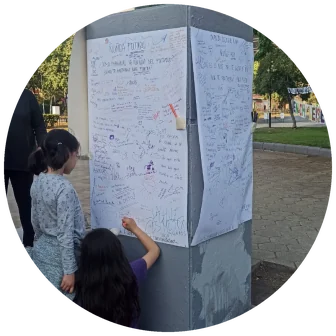
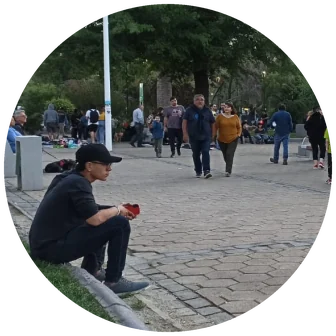
We started in Ñuñoa’s squares, not in the studio. We put up open boards where anyone could write what they wanted from the space, watched how people used it at different times of day, stopped passersby to talk and interviewed people who live around it.
- 2
- participatory interventions
- 3
- rounds of on-site observation
- 20
- conversations with passersby
- 12
- interviews with residents
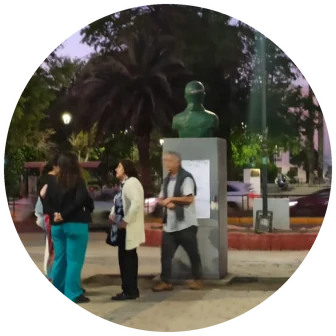
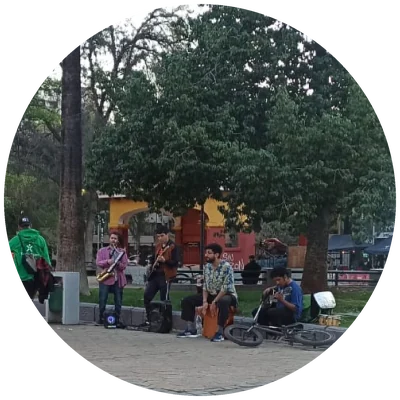
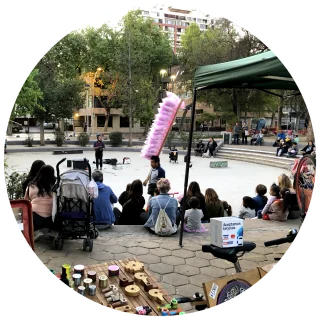
What we found
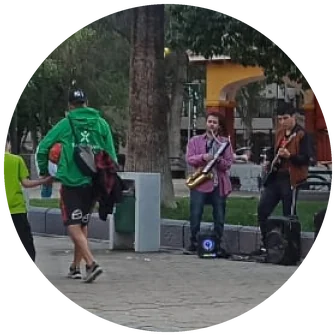
Ñuñoa’s streets are full of spontaneous culture: musicians, fairs, people talking. What’s missing is a structure that supports it.
- Small, open prompts in the space, like a board to write on, got different groups talking to each other.
- The shape of a place changes how people use it: circles and steps read as a stage, open surfaces invite people to take them over.
02
Four ways of being on the street
The research gave us four kinds of street users, defined by what they do, think and feel in public space. The service had to work for all four, not just the people who already organize things.
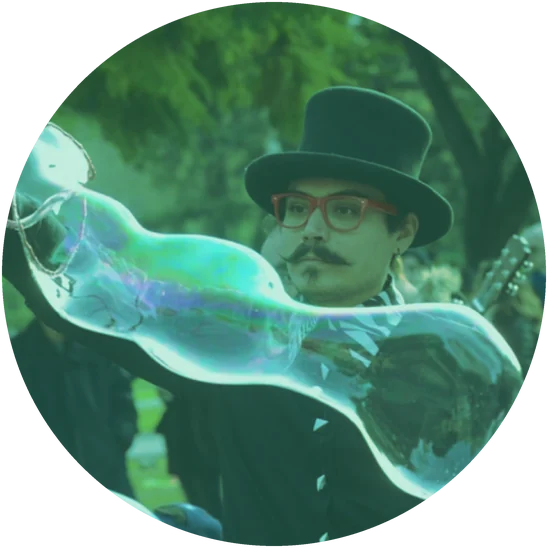
Activator
- Does
- Starts things in the space they live in, and invites the community in, openly or not.
- Thinks
- Initiative is what keeps a community alive. The how matters more than the what.
- Feels
- Free to take over the space, and responsible for the people around them.
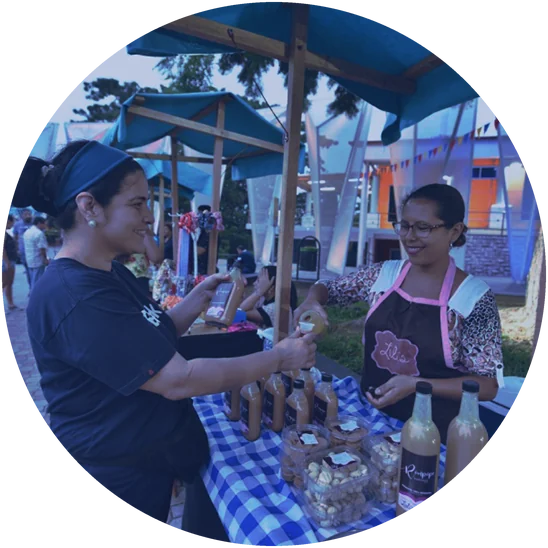
Participant
- Does
- Looks for activities, planned or spontaneous, usually with other people, and joins in on the spot.
- Thinks
- The street is an open space ready for what they can bring.
- Feels
- Excited and grateful when there are places and people that let them take part.
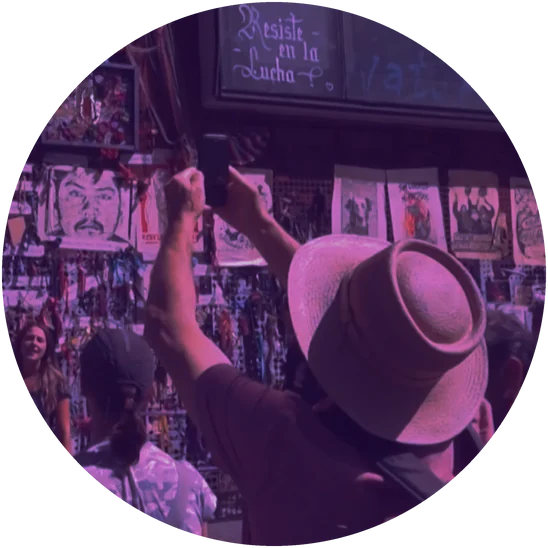
Observer
- Does
- Watches the activity while walking by, and shares it online only if it’s worth it.
- Thinks
- The street is a place to relax, with a barrier that keeps them from getting involved.
- Feels
- Curious, but holds back from joining in fully.
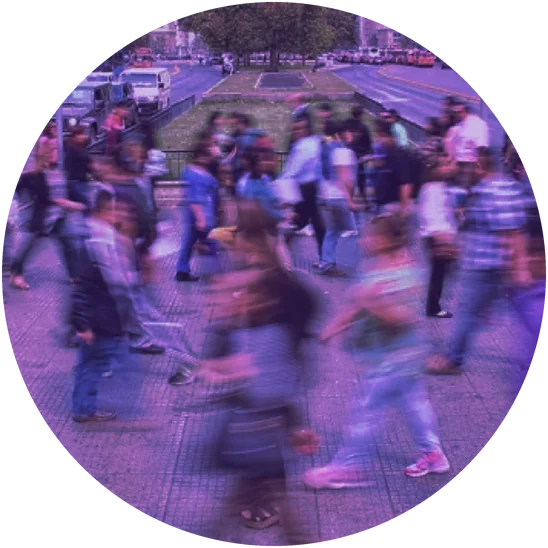
Passerby
- Does
- Crosses the neighborhood, sometimes every day, without getting involved.
- Thinks
- Getting there quickly and safely comes first, but a nicer route is welcome.
- Feels
- The street shapes their mood more than they’d admit.
03
What the street should feel like
We looked at projects that gave streets back to people, like Barcelona’s superblocks and the car-free Sunday routes in Santiago and Viña del Mar, and turned what we learned into five design attributes the service had to meet.
- WelcomingElements that let people stay in a crowded street: shade, bathrooms, food.
- MemorableExperiences tied to what is already part of people’s routines: traditions, games, recycling points.
- Co-builtShaped by the neighborhood’s identity and needs, with real moments to choose and contribute.
- CumulativeOne space a year, so the changes add up over time.
- Helped by digitalSocial media and a website to spread the word, run the call and let people vote.
04
How the service works
Vive la calle is an open call. Neighbors find it on social media, on murals or at a stand in the square. Anyone with an idea for their street, artist, designer, small business or neighbor, can apply alone or in a workshop.
The community votes among the shortlisted projects, and the winner gets built for a big street event with an open mic. The improvement stays in the street afterwards, and the call opens again for next year’s space.
We mapped both journeys, the person who applies and the person who watches, and every actor behind them: the municipality, local businesses, cultural groups and the neighbors.
Service blueprint
Nine stages, from finding the right street to the trace the event leaves behind. For each one: what we learned, who is involved, how they feel, what they do, the touchpoints, and everything the municipality and its partners do backstage to make it happen.
- 01 Fertile spaces
- 02 Reading the space
- 03 Viable projects
- 04 The community chooses
- 05 Co-building
- 06 Action plan
- 07 Execution
- 08 The big event
- 09 The trace
Scroll sideways, or tap to enlarge
05
An identity for the call
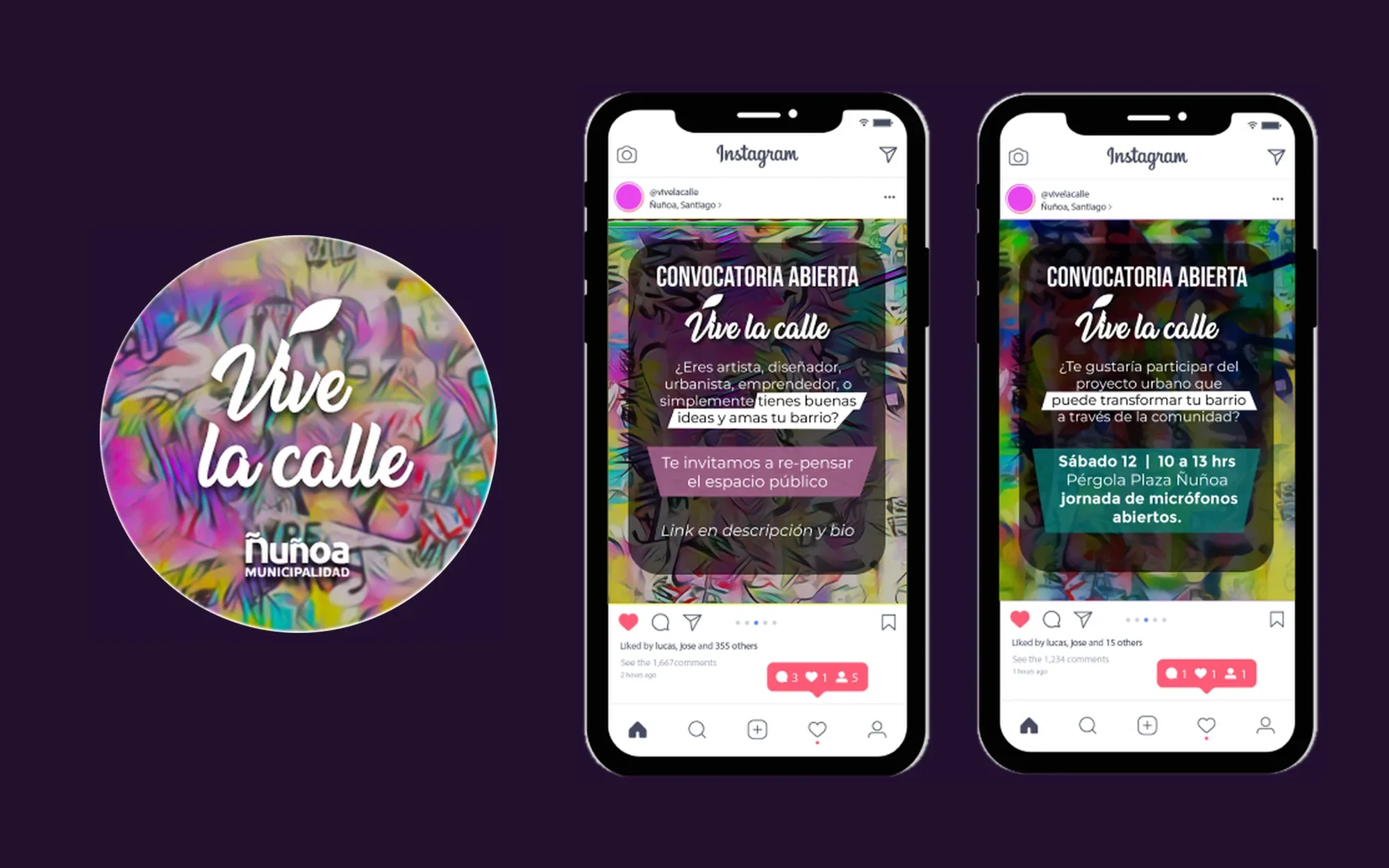
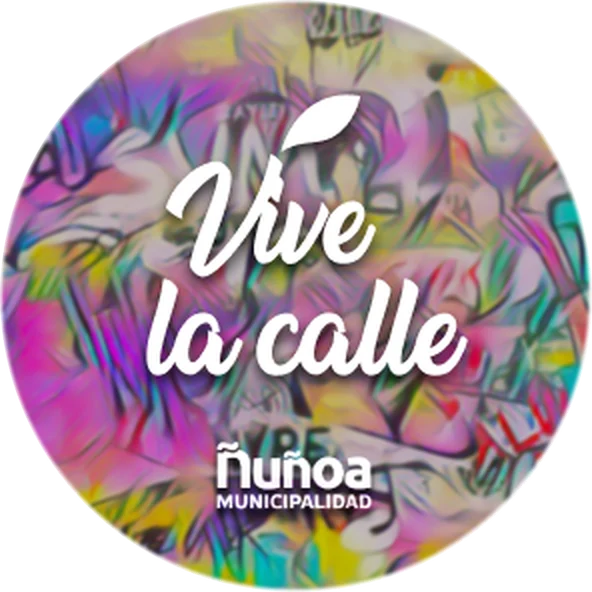
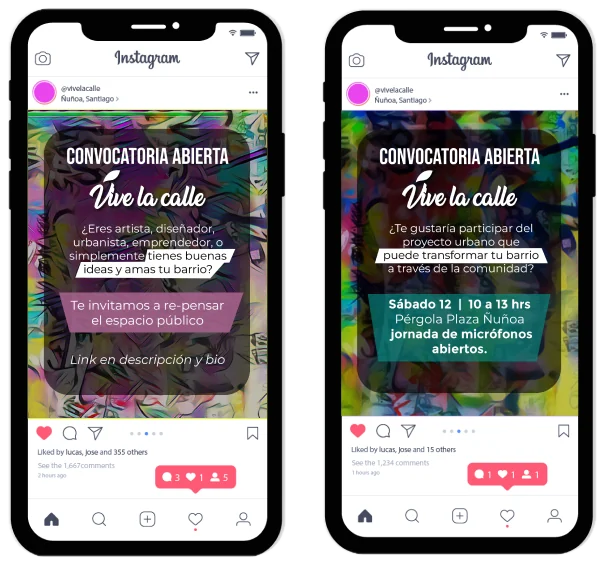
The program needed to look like the street, not like the municipality. Its identity takes the color and texture of Ñuñoa’s graffiti with a hand-lettered logo, and we used it on the open call campaign for social media.
06
Making it last
A program like this dies when the money runs out, so we designed how it pays for itself: partner brands and the local businesses that benefit from a busier street. It’s measured by two numbers, how many people apply and how many show up.
What happened
Vive la calle stayed a university project: we developed it with the Municipality of Ñuñoa, but the program wasn’t implemented. What it shows is the process, from research on the street to a service the municipality could run and sustain.